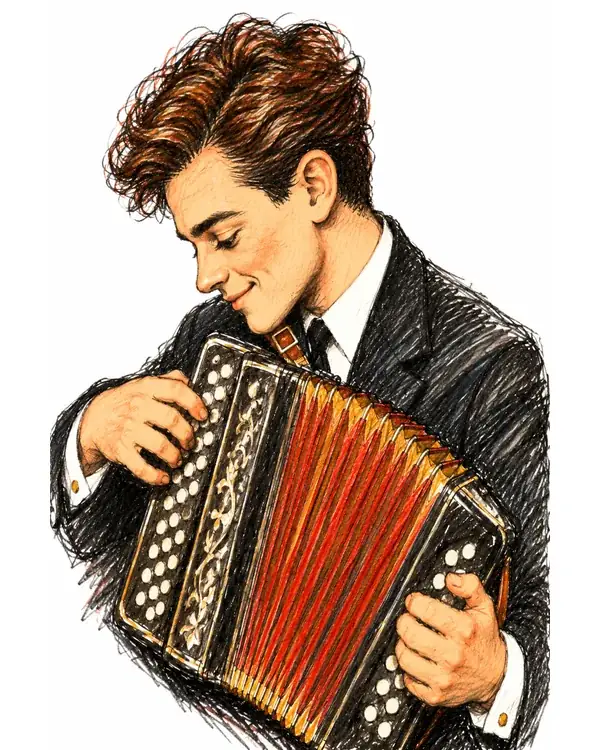
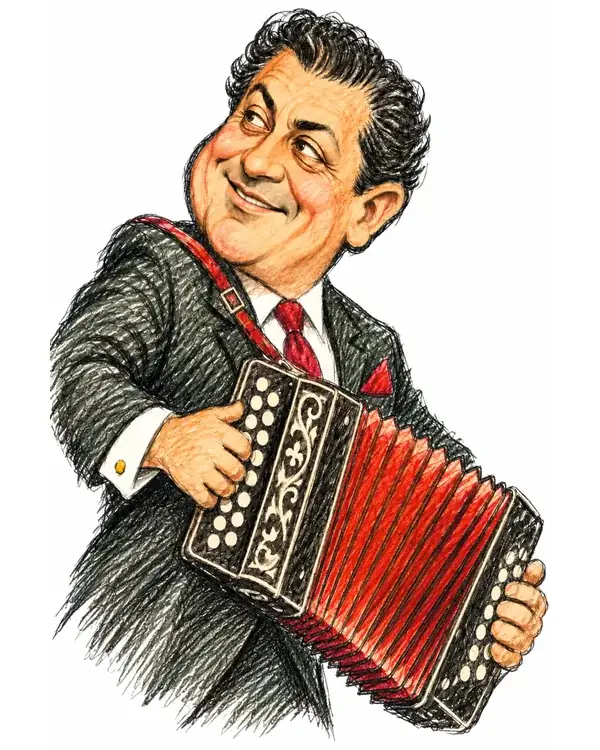
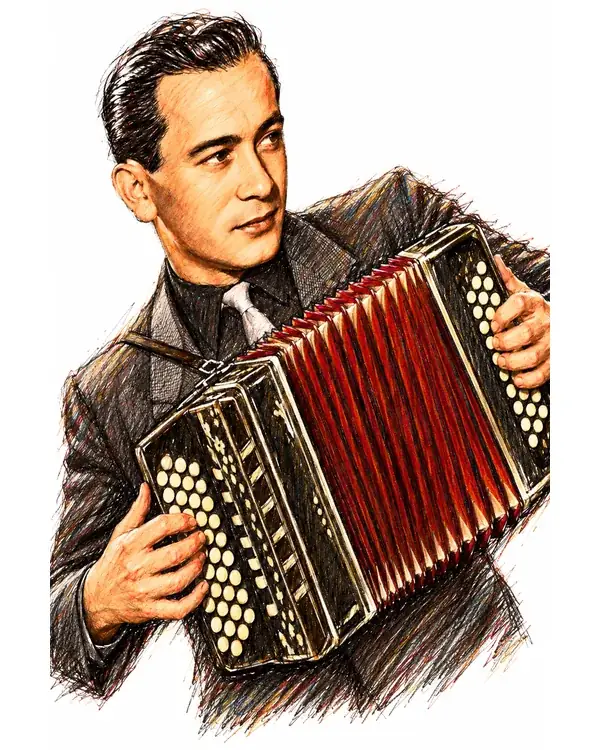
Dance halls, family gatherings and festivals. Where do the accordion and its fellow bellows instruments play, and who plays alongside them? Turn the globe to explore the music.
Choose a region
Drag to turn the globe, then select a highlighted country or a region below.
Use arrow keys to rotate, + and − to zoom, and Home to reset the view.
Loading globe…
Colour locates each region’s country; the marker shows a representative place within the region.
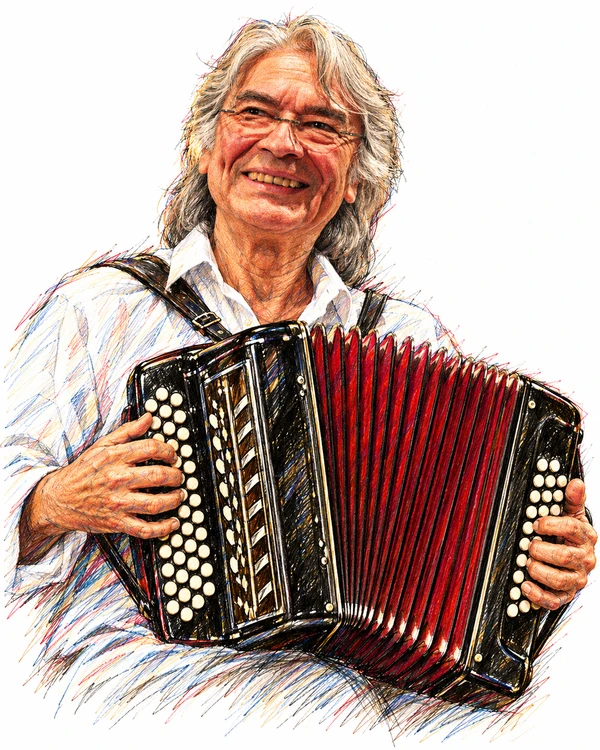
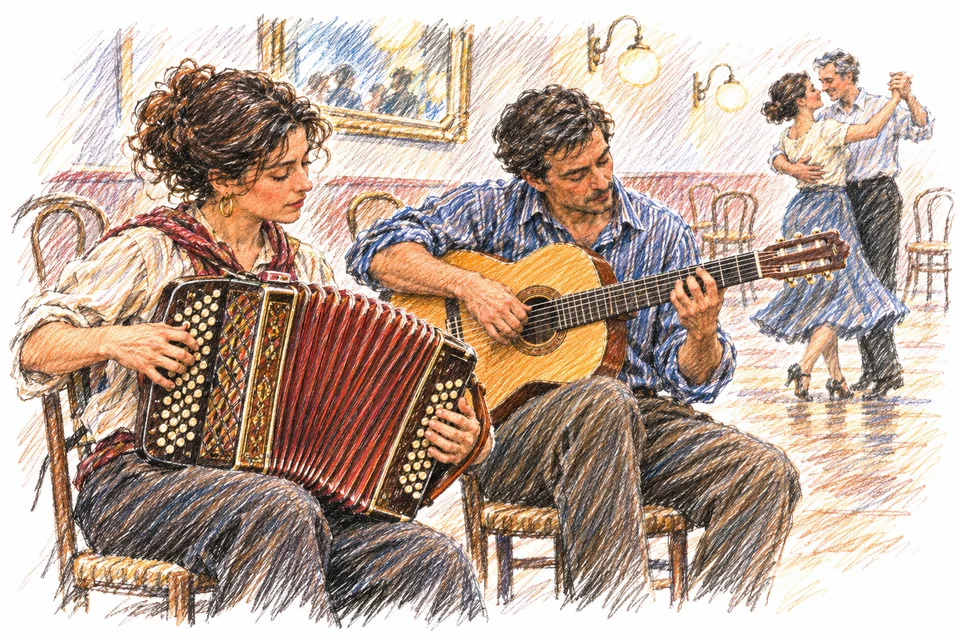
Parisian dance halls brought together Auvergnat and Italian musical traditions. Waltzes became central to a repertoire that also embraced tangos and paso dobles.
The instruments
The accordion became the leading instrument, following the cabrette bagpipe. Accompanying instruments vary between ensembles and periods.
Listen for this
Choose a waltz and follow its three-beat flow. Listen for the contrast between quick melodic runs and notes that linger over the accompaniment.
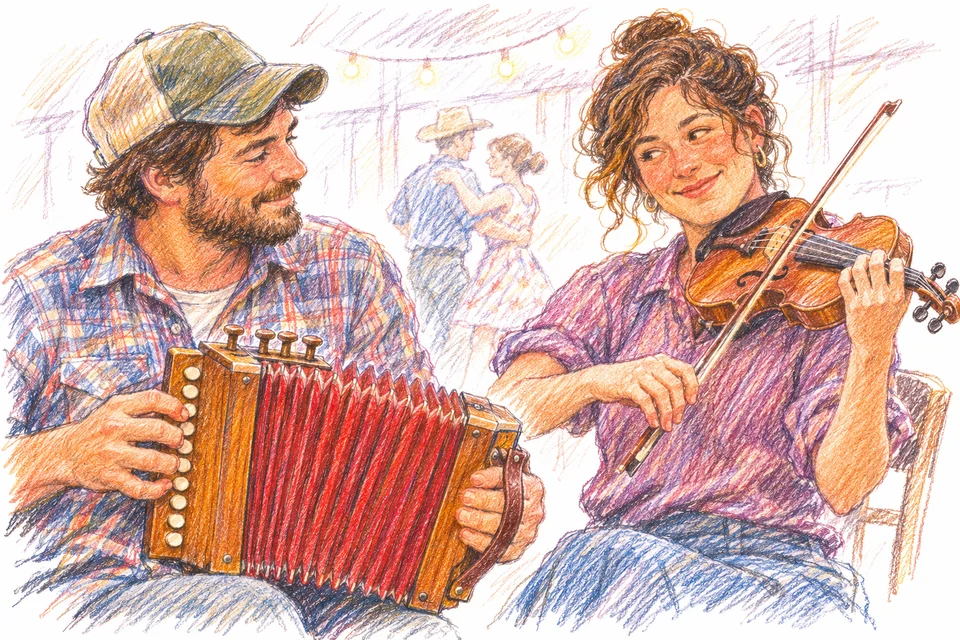
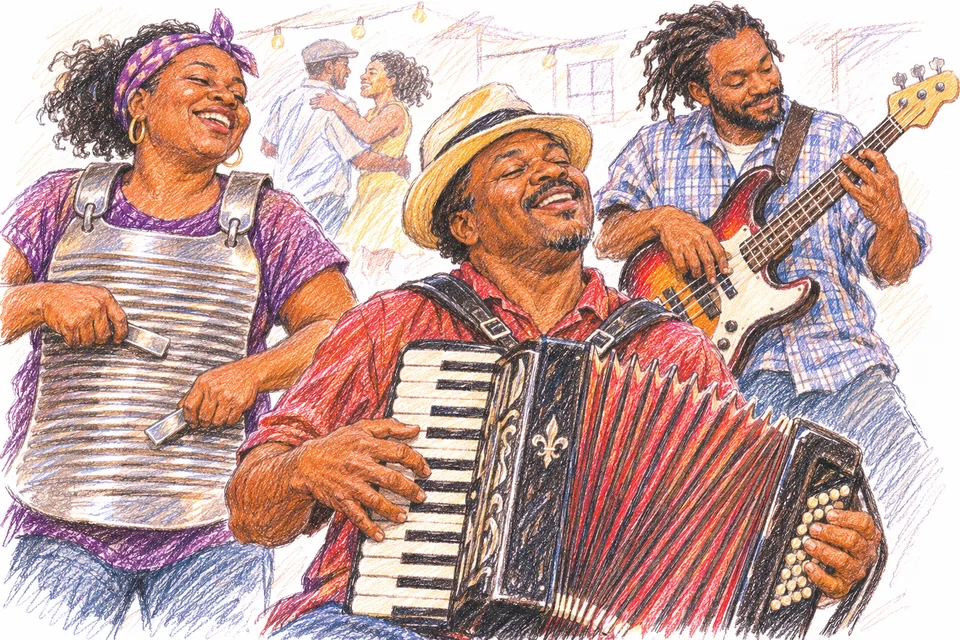
Music shared at home found a new setting in Louisiana's dance halls. Songs and instrumental dances remain part of this changing tradition.
The instruments
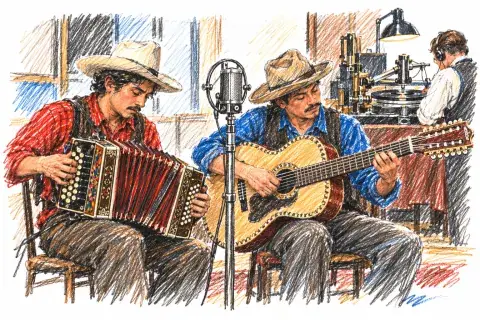
A traditional band combines a single-row diatonic accordion, fiddle and acoustic guitar, sometimes with drums or triangle. Other lineups also developed.
Listen for this
In Allons à Lafayette, follow Joe Falcon's voice and accordion alongside Cleoma Breaux's guitar. Notice how the instruments carry the music between sung phrases.
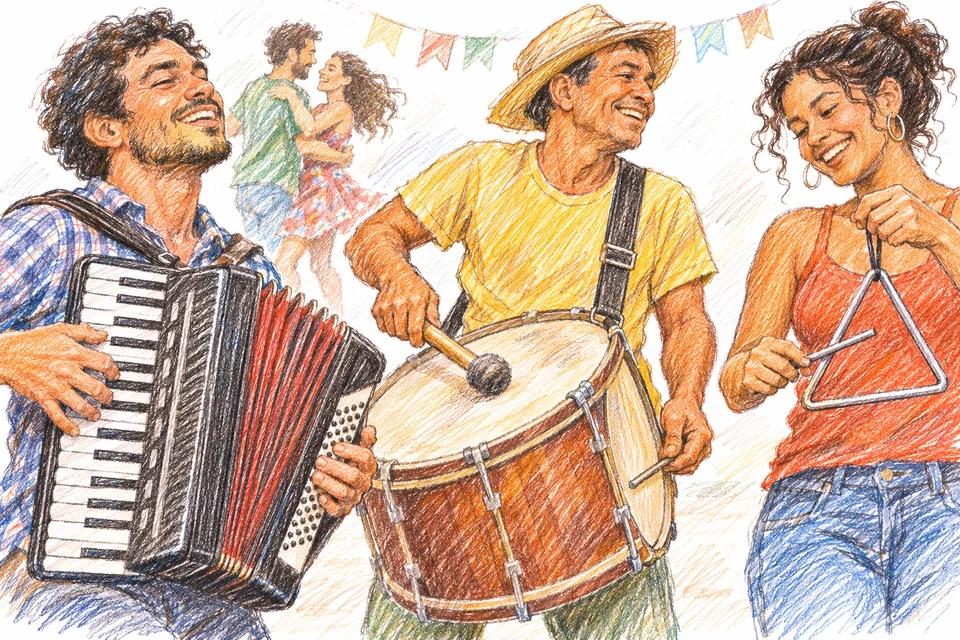
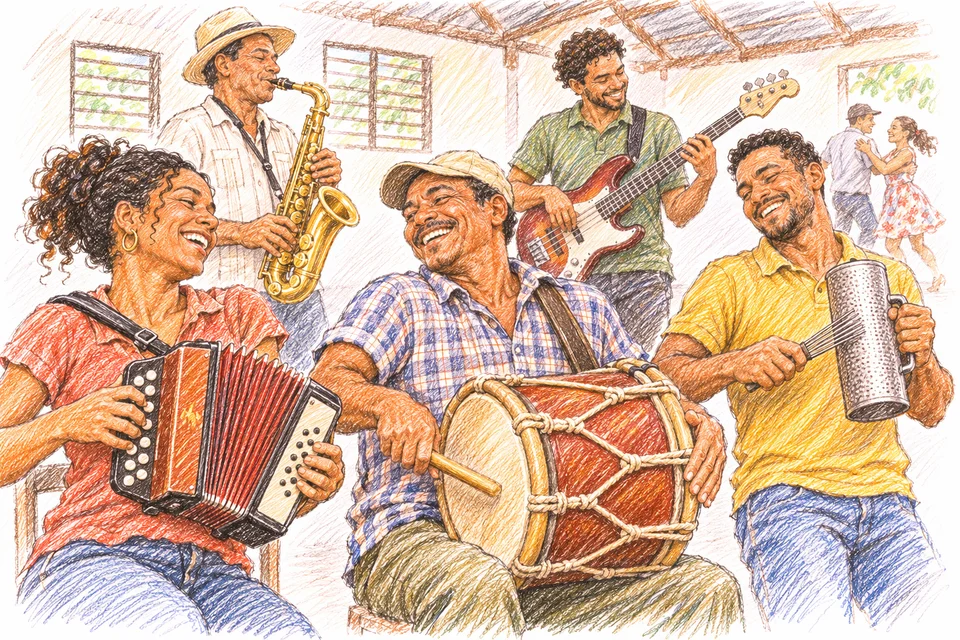
Rooted in northeastern celebrations, including the June festivals, forró is enjoyed throughout the year. It brings together music and dances such as baião, xote and xaxado.
The instruments
A characteristic trio pairs the sanfona (accordion) with the zabumba drum and triangle. Forró also includes other instrumental traditions and ensembles.
Listen for this
When listening to a trio, pick out the low drum, the triangle's bright pulse and the accordion melody one at a time. Then hear how their parts fit together.
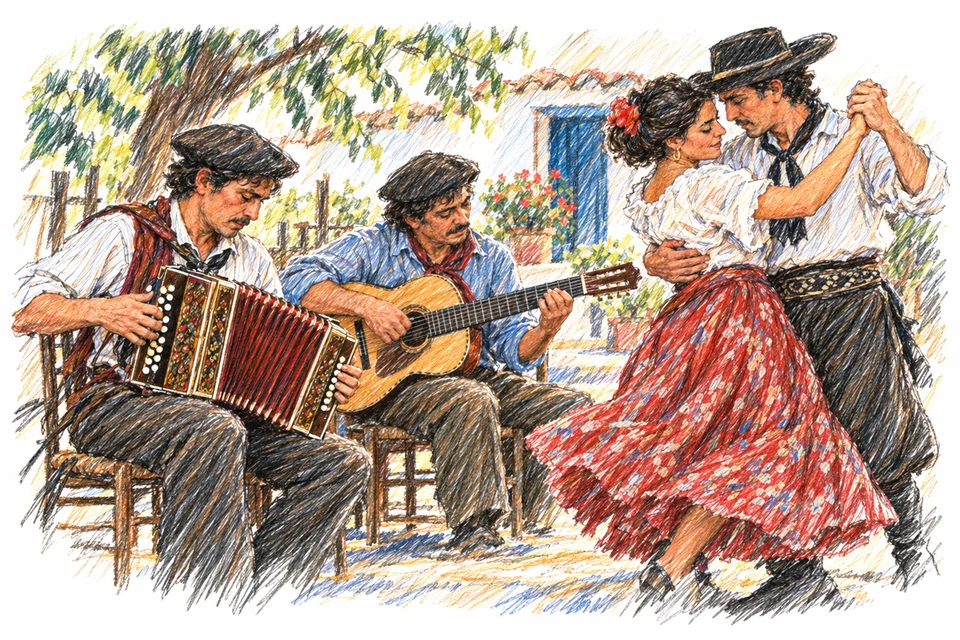
Music, singing and dancing accompany gatherings and celebrations. Partners hold each other close and adapt their steps to the music, without a fixed choreography.
The instruments
Ensembles use instruments including two-row diatonic accordions, bandoneons, guitars, violins and double basses.
Listen for this
Watch how the dancers' steps relate to the playing. Listen, too, for the sapucay: a cry that gives voice to feelings during the gathering.
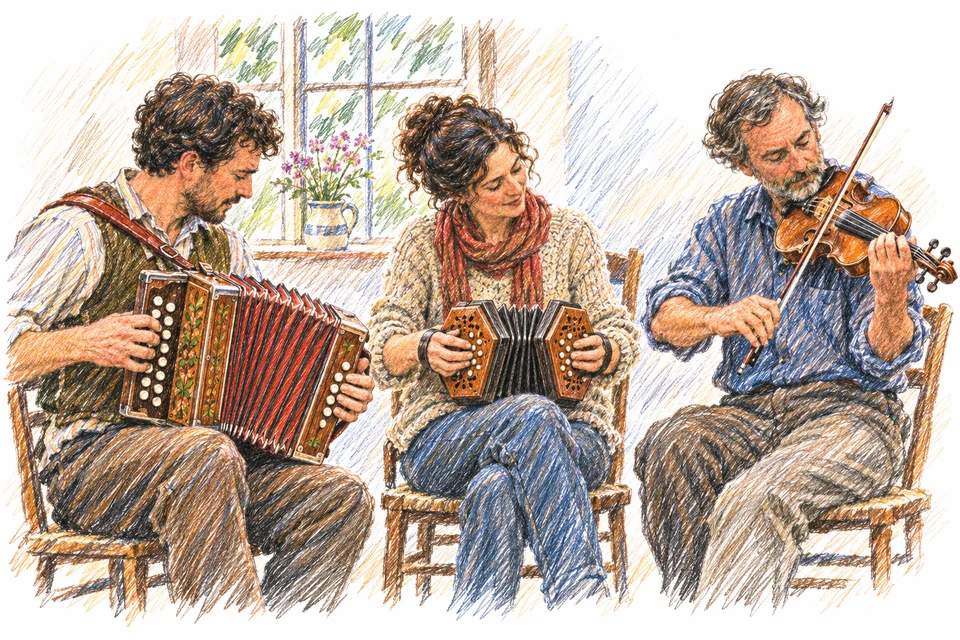
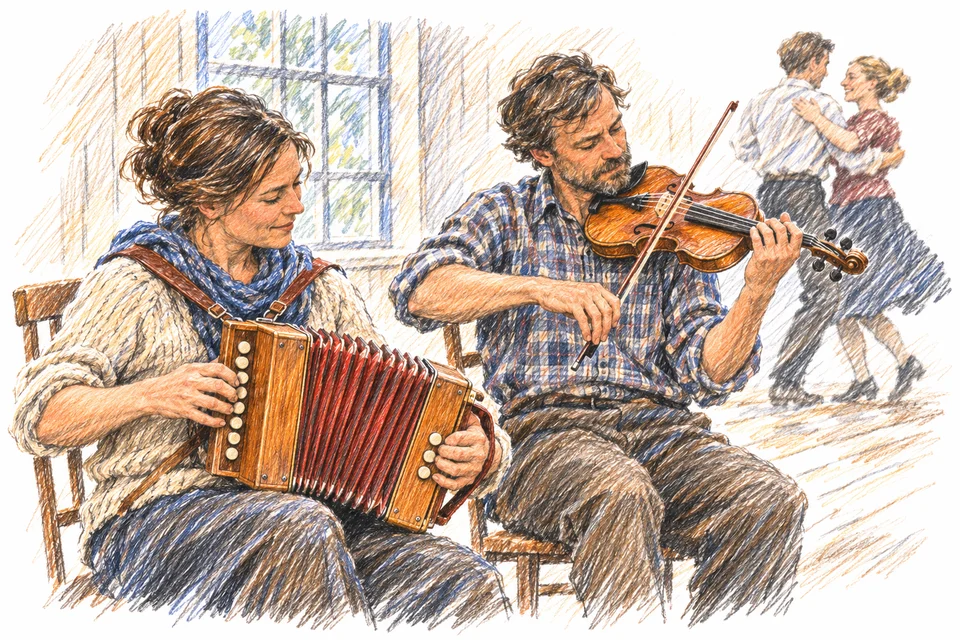
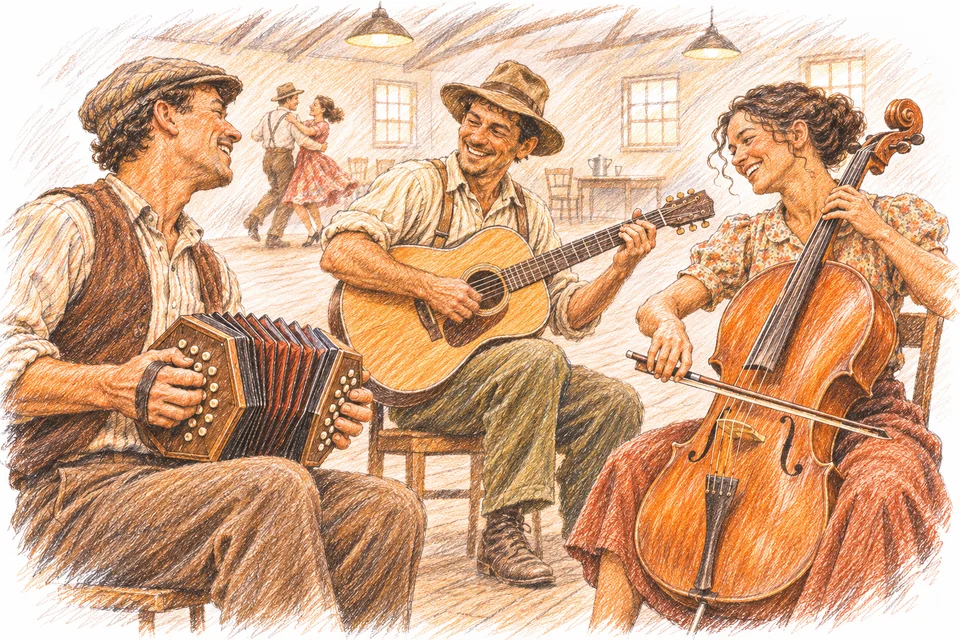
Music passed on at house gatherings, festival sessions and dances. Accordions and concertinas are heard both solo and alongside other instruments.
The instruments
Button accordions and Anglo concertinas, sometimes sharing the melody with fiddles, flutes and other instruments.
Listen for this
Compare the jigs and reels in the ITMA playlist. Tap your foot to the beat, find where each phrase ends, and listen for the short ornaments added to the tune.
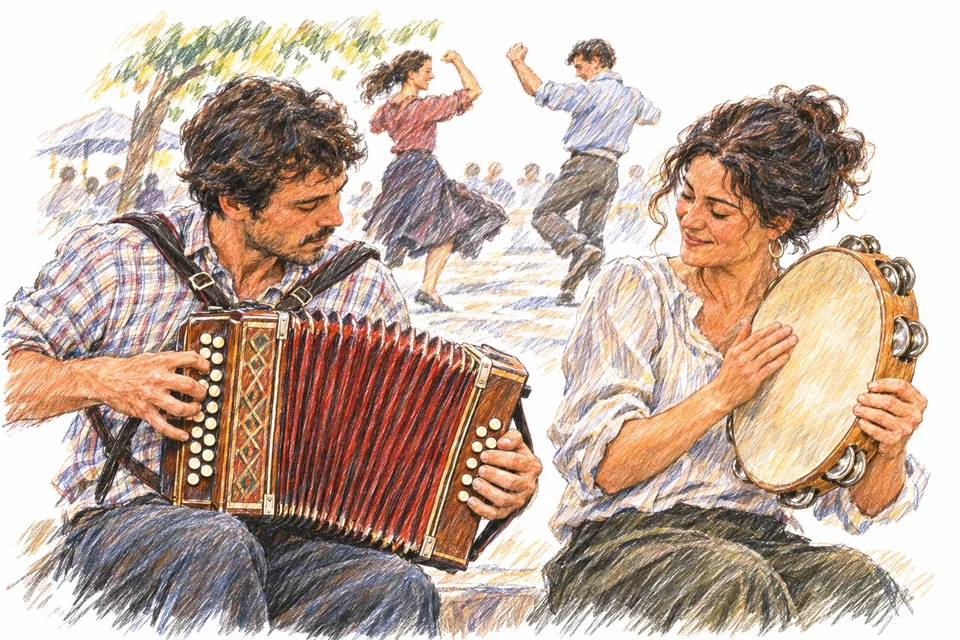
Music that has accompanied dancing at Basque festivals and romerías, gatherings associated with pilgrimage. Trikitixa can name an instrument, music, a dance or the instrumental duo.
The instruments
A small diatonic accordion and a pandero, a tambourine. Singing may join the instrumental pair.
Listen for this
In Soinuenea's recording of Auntxa and Iturbide, follow the melody, then the pandero's beat. Imagine the dancers' steps as the fandango gives way to the arin-arin.
From tunes for dancing at village halls and festivals to contemporary folk music on stage. Dances such as the polka and jenkka have shaped Finnish accordion playing.
The instruments
Instruments include one-row and two-row diatonic accordions. Maria Kalaniemi brings the free-bass accordion, which lets the left hand play melodies, into folk music.
Listen for this
With dance tunes, tap the beat and follow how the melody moves above it. In the performance video linked from Kalaniemi's official site, watch the bellows and listen for changes in volume.
Tango arrived through Europe and became part of Finnish song and social dancing. Village dance halls helped it flourish; Seinäjoki's tango festival also holds a singing competition.
The instruments
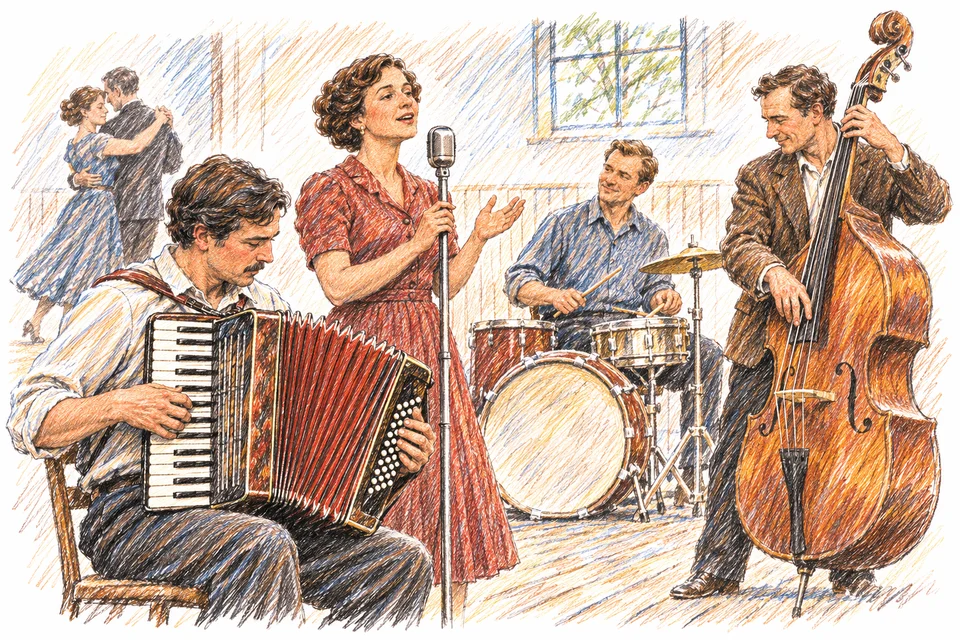
Ensembles include a singer, accordion, bass and drums. The accordion accompanies the song and carries melodies in introductions and interludes.
Listen for this
In Reijo Taipale's Satumaa, listen to the steady pulse and the longing in the minor-key melody. Notice how the instruments answer between the sung phrases.
Rooted in Mexican American communities in Texas, conjunto accompanies dancing at house celebrations and dance halls. Polkas and waltzes are part of its repertoire.
The instruments
Button accordion and bajo sexto, a large guitar with a deep register, form the core. Electric bass and drums often complete the group.
Listen for this
In Flaco Jiménez's songs, follow the accordion passages between verses. Listen for the low strings of the bajo sexto underneath and the way the two instruments respond to each other.
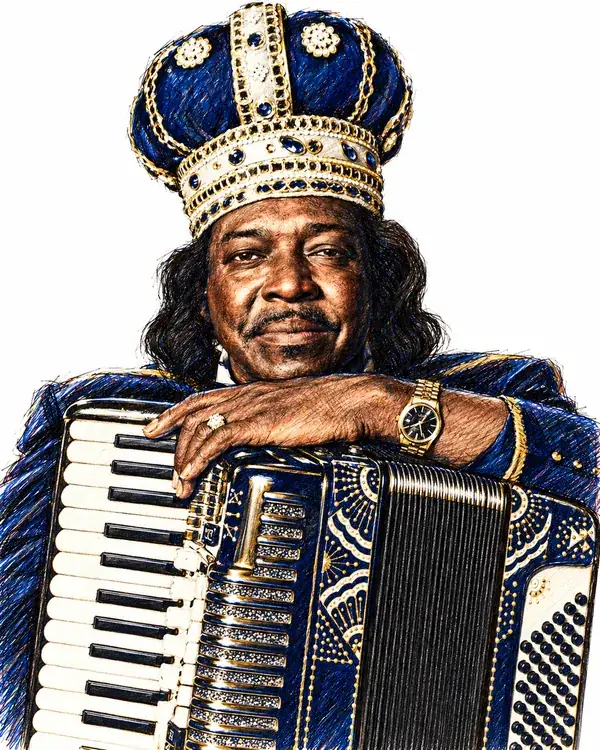
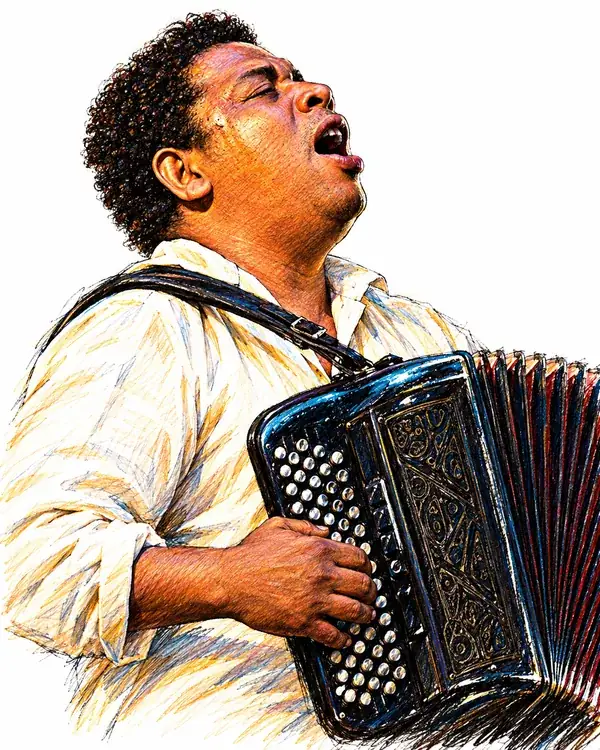
Rooted in Louisiana's Black Creole communities, zydeco brings people together to dance. Clifton Chenier moved from house dances to clubs, blending French Creole music with rhythm and blues.
The instruments
Chenier played piano accordion alongside the rubboard, a scraped metal percussion instrument. Electric guitar, bass and drums also feature on the linked live album.
Listen for this
Pick out the rubboard's scraping sound beneath the accordion. Then follow the changes between singing and instrumental phrases while the band keeps the dance rhythm moving.
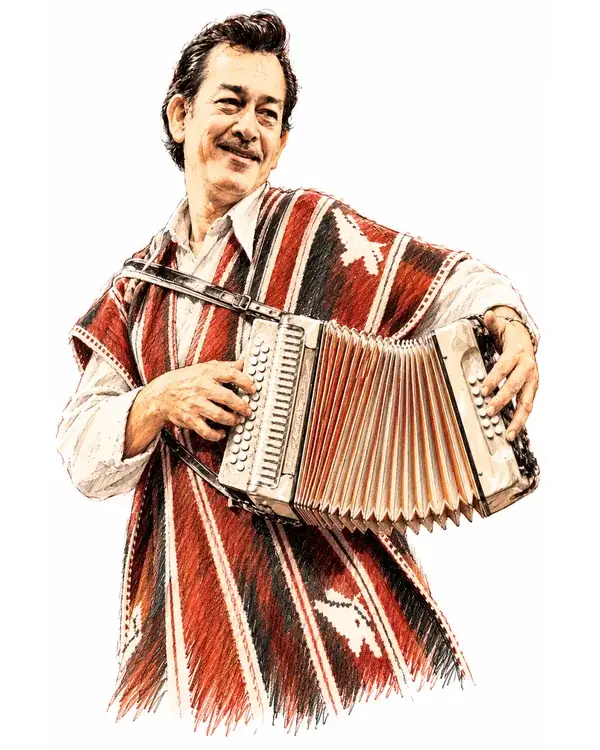
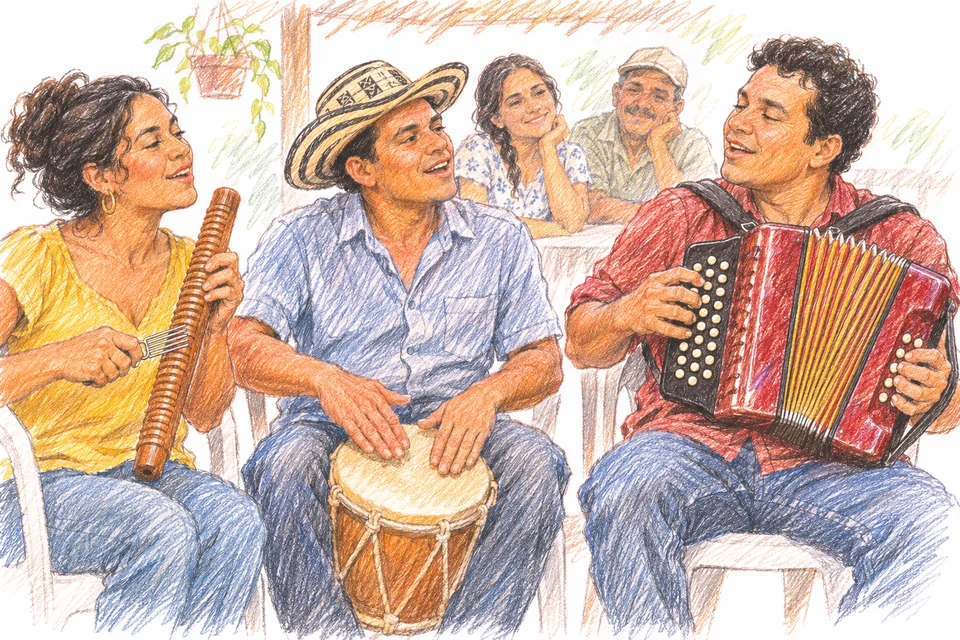
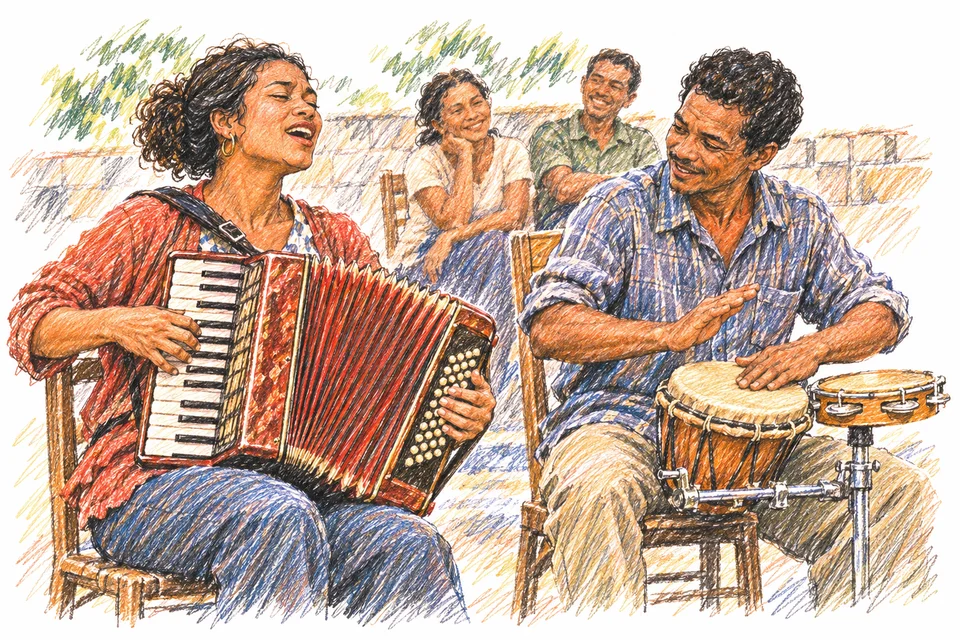
Traditional vallenato is shared at festivals and parrandas, gatherings of family and friends. People gather around the musicians, with conversation and stories between songs.
The instruments
The traditional trio combines accordion, caja, a small hand drum, and guacharaca, a ridged wooden scraper played with a wire comb.
Listen for this
Follow the singing and the accordion phrases between vocal lines. Try separating the caja's drum strokes from the guacharaca's scraping rhythm.
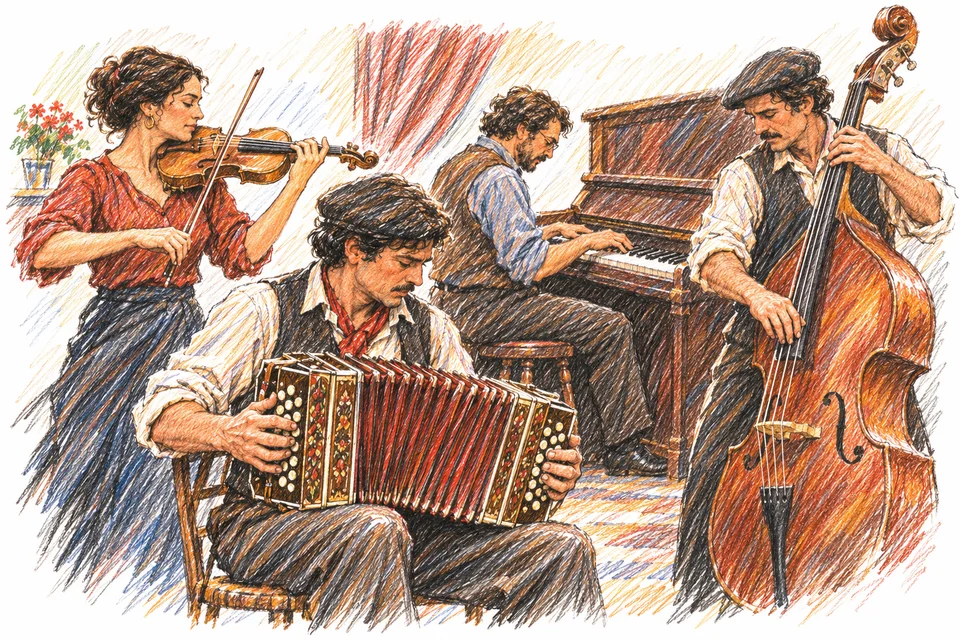
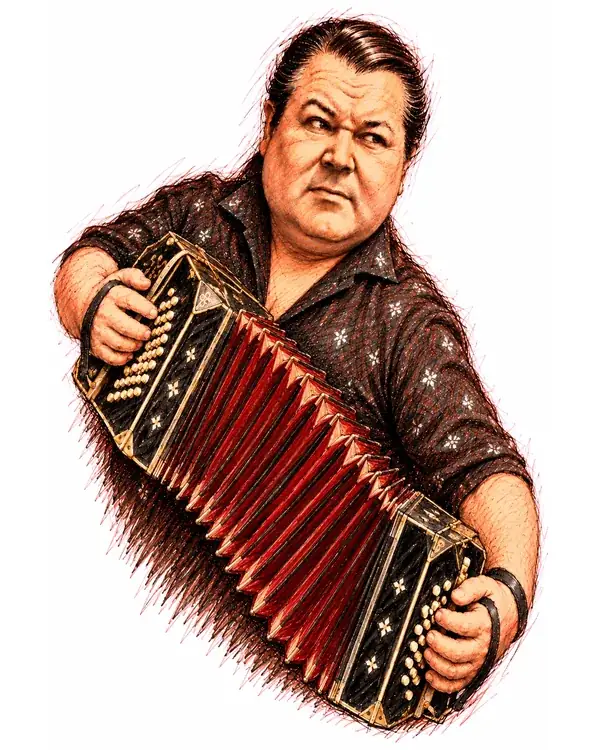
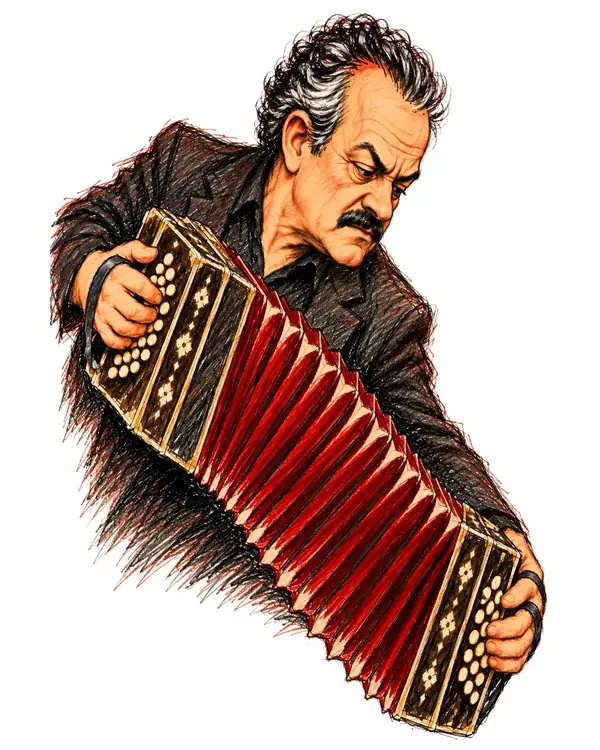
Tango grew among the working people of Buenos Aires and Montevideo. Music, dance and poetry come together in a tradition shared in the dance halls of both cities and around the world.
The instruments
The characteristic bellows instrument is the bandoneon. An orquesta típica combines sections of bandoneons and violins with piano and double bass.
Listen for this
Compare the bandoneon's sustained melody with its short, rhythmic notes. Then follow a phrase as the strings or piano take it up and change its sound.
Around Toliara, accordions accompany celebrations and rituals. Explore this region through the music of Régis Gizavo, who grew up here.
The instruments
On Mikea, Gizavo's accordion and voice meet David Mirandon's percussion.
Listen for this
Gizavo describes his home region's renitra rhythm as fast and detached. Follow the melody, listening for the spaces between notes and its exchanges with the voice.
Dance music rooted in the northern Cibao region. It is played at community gatherings, with improvisation adding momentum to the tune.
The instruments
Accordion, the double-headed tambora drum and the metal güira scraper form the core. La India Canela's recording also adds saxophone and electric bass.
Listen for this
In Apriétame Así, follow the güira's rapid strokes and the tambora's accents, then hear how the accordion melody runs over them.
Social dance music played among Afrikaans-speaking communities in South Africa. Recordings carried dance-hall performances to wider audiences in the 1930s.
The instruments
A small Anglo concertina can lead guitars and cello. Other bands have also used piano and banjo.
Listen for this
In Faan Harris's Wals van Tant Sannie, listen for layered notes from both ends of the concertina and compare their pulse with the guitars.
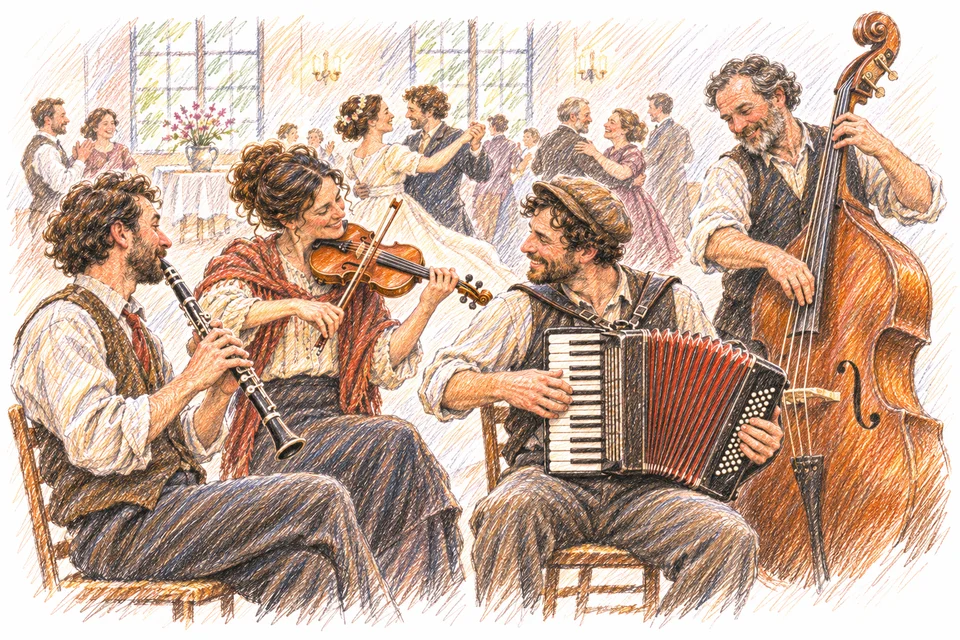
An instrumental tradition that accompanied weddings and other celebrations in Jewish communities of Central and Eastern Europe, then travelled with migrants to North America. Today's bands also revisit old dance tunes in new lineups.
The instruments
Clarinet and violin may be joined by accordion, tsimbl and bass instruments. An early recording even features a trio of clarinet, accordion and drums.
Listen for this
In the Brothers Nazaroff's Freilachs, clap the pulse and follow how the tune moves between voices and instruments.
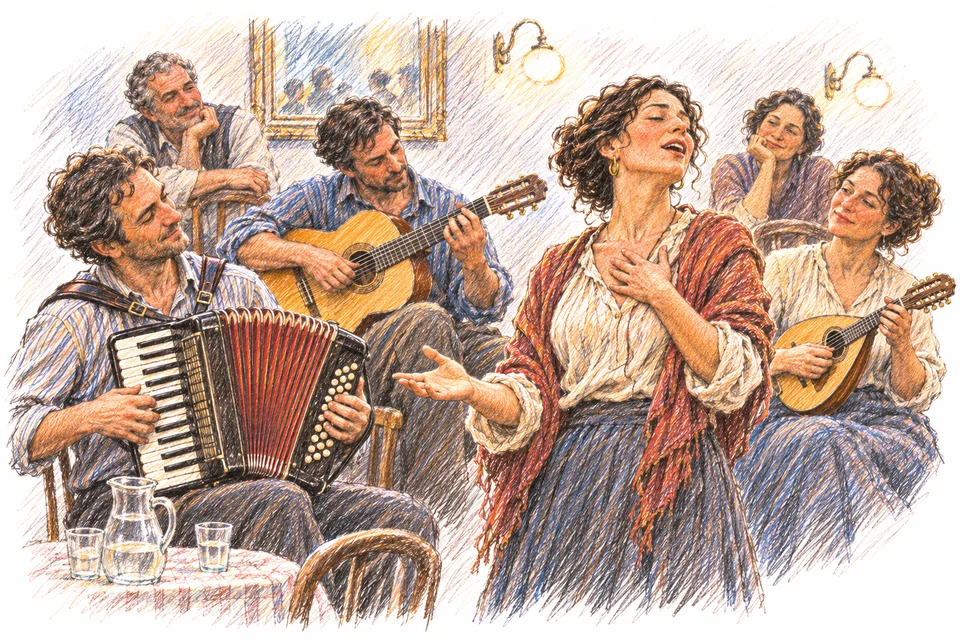
A song tradition shaped in Naples. It spread from festivals and urban settings through printed music and recordings, and travelled abroad with migrants.
The instruments
Singing with guitar or mandolin is well known. In some arrangements the accordion carries the tune or accompaniment; it takes the lead in Dom Cortese's instrumental recording.
Listen for this
In Na Voce 'Na Chitarra, hear how the accordion sings the melody in place of a voice, supported by guitar and mandolin.
 Enlarge illustration